
Introduction
Choosing and installing new flooring is one of the most impactful decisions a homeowner or renovation planner makes. Flooring sets the tone for a room, influences comfort and acoustics, and represents a significant investment in your home’s value and everyday experience. Unfortunately, many homeowners unknowingly make flooring installation mistakes that lead to long term problems, frequent repairs, premature replacement, or reduced comfort and function. These mistakes can stem from early choices, poor planning, installation errors, or maintenance missteps.
Understanding these common missteps empowers homeowners to avoid costly consequences, protect their investment, and enjoy beautiful, durable floors for years to come. In this article we will explore the most frequent flooring mistakes, why they happen, how they impact your home over time, and practical strategies to prevent them. Whether you are planning a renovation, building new construction, or simply upgrading your floors, this comprehensive guide will help you make the right decisions at every step.
Choosing the Wrong Flooring for the Space
Ignoring the Function of the Room
One of the biggest mistakes homeowners make is choosing flooring based solely on appearance without considering how the room will be used. Each space in a home has unique demands that influence the best flooring choice.
For example:
• Kitchens and bathrooms are high in moisture, spills, and temperature changes. Floors that resist water and humidity perform better in these spaces.
• Living rooms and bedrooms benefit from comfortable surfaces that cushion footsteps and improve acoustics.
• Entryways and hallways experience heavy traffic and require durable materials that resist wear.
Selecting a flooring type that does not match the room’s function can lead to premature wear, warping, staining, or even structural damage over time.
Overlooking Moisture and Climate Conditions
Moisture is one of the greatest enemies of many flooring materials, yet homeowners often underestimate its impact. Hardwood, for example, can warp, cup, or separate when exposed to moisture or humidity swings over time. Even engineered wood, while more stable, requires careful consideration in damp areas.
Luxury vinyl and tile options perform much better in moisture prone environments. Ignoring moisture risks, especially in basements, bathrooms, and kitchens, leads to costly repairs and replacements later.
Failing to Account for Subfloor Quality
Neglecting Subfloor Preparation
A strong and stable subfloor is the foundation for any successful flooring installation. Many homeowners assume that if the surface looks flat or solid it is ready for new flooring, yet hidden issues often lurk beneath.
Subfloor problems include uneven surfaces, rot, squeaks, deflection, moisture seepage, or weak support. Installing flooring over an inadequate subfloor results in:
• Gaps and buckling
• Squeaks and movement
• Shortened lifespan
• Visible imperfections in the finished floor
A thorough inspection and preparation of the subfloor is essential before any flooring goes down. This may involve leveling, reinforcing joists, replacing damaged materials, and addressing moisture sources.
Ignoring Moisture Barriers
Moisture barriers or vapor barriers are critical when installing flooring over concrete slabs or in areas prone to humidity. Skipping moisture mitigation can allow vapor to penetrate from below, causing damage that appears months or years after installation.
For flooring types sensitive to moisture, investing in proper vapor retarders and subfloor sealing is a cost‑effective strategy that prevents structural and appearance problems later.
Incorrect Measurement and Material Estimation
Rushing the Measurement Process
Accurate measurement is foundational to a successful flooring project. Homeowners and even some contractors sometimes underestimate the square footage needed, resulting in insufficient material. This oversight leads to:
• Ordering too little flooring
• Gaps in pattern or color matching
• Delays waiting for additional stock
Materials should be measured carefully by professionals, accounting for odd angles, closets, thresholds, and waste from cuts and patterns.
Failing to Order Extra Material
Flooring always requires extra to account for:
• Cuts around corners and obstacles
• Pattern alignment
• Future repairs or replacements
A good rule of thumb is to order at least ten percent more material than the measured area, especially with patterned tiles or wood with varied grain patterns. Not doing so can cost more in the long run when additional stock is unavailable or mismatched.
Skipping Acclimation for Natural Materials
Not Allowing Wood to Acclimate
Natural materials like hardwood and some engineered woods require a period of acclimation before installation. This means allowing the planks to sit in the environment where they will be installed so they can absorb moisture and adjust.
Skipping acclimation leads to:
• Expansion or contraction after installation
• Gaps between boards
• Buckling or cupping
Proper acclimation typically takes several days and varies by product, climate, and season. Planning ahead ensures materials settle into the space and minimizes post‑installation problems.
Improper Installation Methods
DIY Installation Without Experience
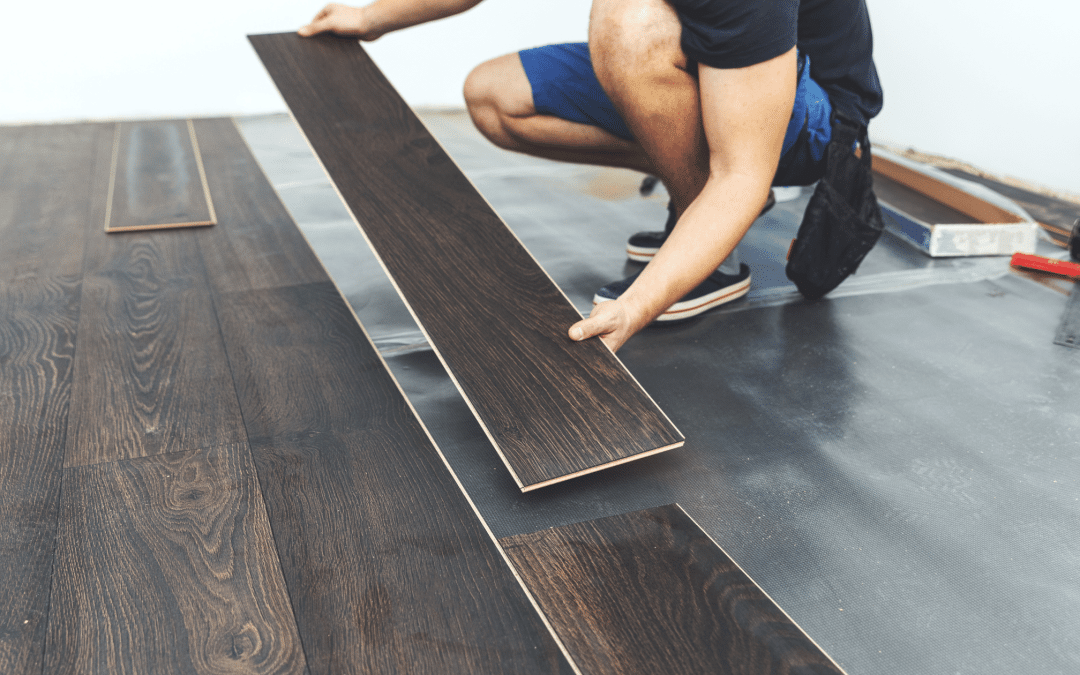
Many homeowners attempt to install flooring themselves to save money. While some flooring types are more DIY friendly, complex materials and techniques often require professional skill. Improper installation leads to:
• Uneven surfaces
• Poor seams or joins
• Visible flaws in pattern or alignment
• Loose or unstable flooring
Professional installers have expertise in tools, techniques, and challenges that ensure long‑lasting results.
Skipping Recommended Underlayment
Underlayment is essential for certain floor types, offering benefits such as:
• Moisture protection
• Sound dampening
• Thermal insulation
• Subfloor smoothing
Not using the correct underlayment reduces performance and comfort, and can void warranties for some products.
Failing to Follow Manufacturer Guidelines
Every flooring product comes with specific installation instructions designed to protect performance and warranties. Ignoring manufacturer guidance on adhesives, acclimation, temperature and humidity thresholds, transitions, and expansion gaps can negate warranty coverage and result in failure.
Improper Transitions Between Flooring Types
Ignoring Threshold Details
Homeowners sometimes install new flooring without planning transitions between rooms or materials. Flooring transitions are not cosmetic afterthoughts but necessary connections that ensure safety, stability, and aesthetic coherence. Poor transitions cause:
• Tripping hazards
• Uneven wear
• Seams that open over time
Proper transition pieces and planning prevent these long term effects and ensure a seamless look throughout the home.
Choosing Flooring Based on Current Trends Instead of Long Term Needs
Following Trends Rather Than Practical Use
Popular trends influence flooring choices, but trends come and go. Making flooring decisions based solely on current designs without considering:
• Longevity
• Maintenance requirements
• Compatibility with daily routines
• Family size and activity levels
can lead to dissatisfaction later. Classic, versatile designs paired with practical performance often offer better long term satisfaction.
Ignoring Warranty Coverage
Overlooking Product and Installation Warranties
Flooring products have warranties that protect against manufacturing defects and performance issues, but many homeowners fail to understand:
• The length and scope of coverage
• What actions void the warranty
• Whether professional installation is required to maintain coverage
Ignoring these details can result in denial of claims for issues that would otherwise be covered, leading to unnecessary out‑of‑pocket expenses.
Poor Maintenance Practices
Using Harmful Cleaners
The products used to care for floors matter. Harsh chemicals, abrasive tools, and improper cleaning solutions degrade finishes, strip protective layers, and cause premature wear. For example:
• Hardwood care requires products that preserve finish and wood health
• Vinyl floors need pH neutral cleaners, avoiding harsh solvents
• Natural stone requires cleaners suited to its mineral composition
Using incorrect cleaning methods voids warranties and accelerates deterioration.
Delaying Repairs
Small issues like scratches, loose planks, or minor grout discoloration may seem insignificant initially, but ignoring them leads to:
• Increased damage
• Water infiltration
• Structural instability
Timely maintenance prevents larger repair costs down the line.
Failing to Plan for Furniture Protection
Not Using Felt Pads and Rugs
Heavy furniture damages flooring surfaces when moved or repeatedly placed in the same spot. Protective measures include:
• Felt pads under legs
• Area rugs in high traffic or heavy furniture zones
• Furniture sliders during moves
Neglecting these details results in scratches, dents, and premature wear.
Ignoring Indoor Climate Control
Temperature and Humidity Fluctuations
Flooring materials respond to changes in temperature and humidity. Hardwood and engineered wood, in particular, expand and contract with moisture shifts. Homes without consistent climate control experience:
• Cracking or separation
• Warping
• Persistent gaps
Maintaining stable indoor environments with humidification or dehumidification strategies preserves flooring performance.
Mismatched Flooring for Lifestyle and Budget
Prioritizing Cost Over Suitability
Sometimes the least expensive option is chosen without assessing how the flooring will perform with pets, children, heavy traffic, or moisture. A floor that looks good but fails quickly results in replacement costs that negate initial savings.
Balancing budget with durability expectations ensures flooring remains functional and attractive over many years.
Overlooking Color and Pattern Selection
Choosing Colors That Show Wear
Light or very dark floors can show dirt, scratches, and imperfections more visibly than mid tone floors. While personal preference matters, it is wise to choose tones and patterns that conceal everyday wear while still fitting your design vision.
Installing Without Long Term Vision
Failing to Consider Resale Value
Homeowners often forget that flooring impacts resale appeal. Potential buyers evaluate condition, durability, and style when considering offers. Flooring that appears dated or shows signs of wear reduces perceived home value, costing money in negotiations.
Choosing timeless styles and durable materials protects both immediate enjoyment and future resale opportunities.
Overcomplicating Patterns and Layouts
Complex Layouts Increase Risk of Errors
Flooring layouts like herringbone, chevron, or mixed materials require expert skill and planning. Attempting complex designs without professional guidance increases the risk of mismatches, uneven patterns, and wasted material.
While beautiful when done well, these layouts should only be pursued when budget and installer expertise align.
Common Installation Mistakes by Product Type
Hardwood Installation Pitfalls
• Inadequate acclimation periods
• Installing in moisture prone areas without engineered options
• Improper nail patterns or fastener use
• Ignoring expansion gaps around perimeter
Each of these contributes to movement, separation, and surface issues that surface over time.
Luxury Vinyl Installation Pitfalls
• Skipping appropriate underlayment
• Installing over uneven surfaces
• Not allowing sufficient temperature acclimation
• Using low quality adhesive products
These mistakes cause seams to lift, buckling, and early failure.
Tile Installation Pitfalls
• Not using proper substrate or backer board
• Inadequate grout and sealant application
• Improper spacing causing cracking
• Ignoring leveling systems
Tile failures often occur months after installation, leading to costly repairs.
How to Avoid Flooring Installation Mistakes
Work With Trusted Flooring Professionals
Experienced designers and installers provide:
• Accurate measurements
• Product recommendations based on lifestyle needs
• Proper environment preparation
• Quality installation methods
Their expertise prevents errors that add cost and frustration later.
Plan Ahead and Communicate Clearly
Detail your expectations regarding:
• Traffic patterns
• Moisture concerns
• Desired aesthetic outcomes
• Maintenance expectations
Clear communication ensures choices align with long term needs.
Understand Warranties and Care Requirements
Ask for written documentation on:
• What warranties cover
• How to maintain products
• What actions void coverage
Knowledge protects your investment.
Regular Inspection and Prompt Repairs
Adopt a schedule for:
• Visual inspections
• Cleaning according to manufacturer guidance
• Addressing minor issues early
Small maintenance actions prevent large expenses later.
Final Thoughts
Avoiding flooring installation mistakes is essential to ensuring that your investment in new floors delivers the comfort, beauty, durability, and value you expect. Many problems arise not from the product itself but from choices made before, during, and after installation. From selecting the right material for the space, ensuring proper subfloor preparation, working with trusted professionals, and committing to maintenance practices, careful planning and execution protect your floors for years.
Homeowners and renovation planners who understand and avoid these common mistakes enjoy long lasting, beautiful flooring that enhances daily life and preserves home value. Whether you choose hardwood, luxury vinyl, tile, or another material, investing in quality and expertise saves money over time and delivers results that stand the test of time and lifestyle demands.
At Flooring By Design, we guide clients through every flooring decision, ensuring that choices match lifestyle needs, installation is executed with precision, and outcomes exceed expectations. Choosing the right floor and installing it correctly means peace of mind, long term satisfaction, and a home that truly reflects your standards of quality and performance.