
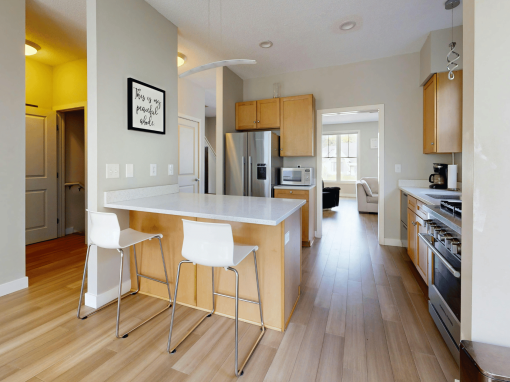
When Style Meets Reality
Selecting flooring for your home is both a design decision and a performance decision. In living rooms or bedrooms, the choice might be driven primarily by style and comfort. However, in high‑moisture areas—such as bathrooms, laundry rooms, mudrooms, and basements—the stakes are different. These spaces face daily exposure to water, steam, humidity, and occasional spills. If the flooring is not suited to these conditions, it may warp, stain, delaminate, or develop mold and mildew.
The challenge for homeowners and design professionals alike is this: how do you choose flooring that performs reliably under moisture stress without sacrificing aesthetics, comfort, or your long‑term investment? Traditional materials like carpet or solid hardwood may be beautiful, but they are vulnerable to moisture damage. On the other hand, purely functional materials can feel cold or institutional.
The good news is that modern flooring technology offers solutions that strike a balance. You no longer have to choose between performance and design. Today’s high‑performance flooring products combine water resistance, durability, and visual appeal in ways that make them ideal for moisture‑prone spaces.
This guide will take you through the full decision process. You will learn how moisture affects flooring, which materials perform best, how to install them correctly, and how to avoid long‑term problems.
Understanding Moisture: The Invisible Enemy
Before selecting flooring, it is essential to understand why water poses such a challenge. Moisture does not simply sit on the surface of flooring materials. It penetrates, travels under boards or tiles, and interacts with adhesives and subfloors. Over time, this leads to swelling, warping, staining, and breakdown of materials that are not engineered for moisture exposure.
There are several sources of moisture that homes must contend with:
Humidity in the air, especially in bathrooms and laundry rooms
Steam from showers and dishwashers
Accidental spills and overflow
Ground moisture seeping up from concrete slabs
Leaks from pipes and appliances
Each of these conditions increases the risk of flooring failure when the wrong material is used. High‑moisture environments are not an exception in a home—they are a reality.
Because water-related damage often starts beneath the surface, it can go unnoticed until structural or aesthetic damage appears. What begins as a small imperfection becomes a costly repair.
Choosing the right flooring is not about avoiding water entirely. It is about choosing materials that resist moisture and respond well to it when it occurs.
Key Attributes of High‑Moisture Flooring
When evaluating flooring options for moisture‑prone areas, look for products with the following core attributes:
Water resistance: The material does not absorb water easily and can withstand direct exposure without damage.
Dimensional stability: The board or tile does not expand, contract, or warp significantly when exposed to humidity changes.
Durability: The surface resists scratches, stains, and wear, maintaining appearance over time.
Low maintenance: Moisture‑inclusive environments benefit from flooring that cleans easily and resists mold growth.
Aesthetic flexibility: Good design should be possible without compromising performance.
Balancing these attributes requires understanding how different materials behave, how they are constructed, and where they fit best in high‑moisture contexts.
Traditional Flooring vs. Modern Alternatives
Historically, certain materials were avoided in high‑moisture areas because they could not withstand water exposure. For example, solid hardwood expands and contracts with moisture changes, making it unsuitable for basements or bathrooms with frequent steam. Similarly, carpet retains moisture and is susceptible to mold growth.
Modern flooring options, however, use advancements in engineering, materials science, and installation techniques to deliver superior moisture performance. These alternatives include:
Luxury Vinyl Flooring (LVF)
Waterproof Laminate
Porcelain and Ceramic Tile
Engineered Wood (with moisture‑resistant cores)
Stone and Composite Stone Tile
Each of these materials has strengths and limitations. The key is matching the right product with the specific demands of the space.
Luxury Vinyl Flooring: Style Without Compromise
Luxury vinyl flooring (LVF) has become one of the most popular choices for high‑moisture areas—and for good reason.
Luxury vinyl comes in two primary formats: planks and tiles. Both are manufactured with multiple layers that include:
A protective wear layer
A high‑resolution decorative layer
A core layer that provides stability
Some luxury vinyl products are engineered to be 100% waterproof. This means they can handle spills, steam, humidity, and even brief standing water without damage.
Advantages of Luxury Vinyl:
Outstanding water resistance
Wide range of designs, including realistic wood and stone looks
Comfort underfoot compared to ceramic or stone
Easier installation than tile in many cases
Low maintenance and easy cleaning
Luxury vinyl’s ability to mimic premium materials without the performance risk makes it ideal for bathrooms, laundry rooms, kitchens, and mudrooms. It provides a balance of durability and design that traditional materials struggle to match.
However, not all vinyl flooring is created equal. Look for products with a proven waterproof core and a thick wear layer for longevity. Thinner, budget vinyl products may not perform as well in heavy‑use moisture environments.
Waterproof Laminate: A Practical Alternative
Laminate flooring historically struggled in wet areas because traditional cores made of wood fiber swell when exposed to moisture. Today’s waterproof laminate products use advanced core technologies that resist water absorption.
In waterproof laminate, the core layer is treated or constructed with materials that repel water. Combined with tight locking systems and moisture‑resistant surfaces, these products can be installed in spaces previously considered off limits for laminate.
Advantages of Waterproof Laminate:
Authentic wood look with crisp textures
More affordable than solid hardwood and some luxury vinyl
Improved scratch resistance
Good performance in moisture‑prone areas when installed correctly
Despite these benefits, waterproof laminate still requires careful installation over subfloors that are flat and dry. Waterproof laminate is best suited for areas where moisture exposure is present but not constant standing water.
When installed properly and combined with moisture‑reducing underlayment, waterproof laminate gives homeowners a blend of aesthetics and performance that elevates spaces without risk.
Tile and Stone: The Classic Moisture Solution
Ceramic and porcelain tile have long been standard choices for wet areas like bathrooms and showers. These materials are naturally impervious to water and offer high durability. Stone tile—such as marble, slate, or travertine—provides timeless beauty and exceptional longevity when sealed correctly.
Advantages of Tile and Stone:
Exceptional water resistance
Durability that lasts decades
Design versatility from traditional to contemporary styles
Compatibility with radiant floor heating
Installation is critical. Proper preparation of the subfloor, correct selection of thinset mortar, and grout sealing determine long‑term performance.
Tile and stone can be cold underfoot and may require additional heating elements for comfort. They also demand more skill and time for installation compared to floating floor products. The weight of stone tile also impacts subfloor and structural load considerations.
Nevertheless, no other material matches the long‑term moisture resistance and design flexibility of tile and stone when installed with expertise.
Engineered Wood: Bridging Warmth and Performance
Engineered wood flooring is built with a layered plywood or high‑density fiberboard core that provides better dimensional stability compared to solid hardwood. The top layer is real wood veneer, offering the beauty of hardwood without the moisture vulnerability of solid planks.
Advantages of Engineered Wood:
Real wood surface with authentic character
Greater moisture tolerance than solid hardwood
Warmth underfoot and timeless aesthetic
Suitable for certain high‑moisture areas when properly sealed and maintained
Engineered wood is not waterproof in the same class as luxury vinyl or tile. It can handle occasional splashes and humidity changes better than solid hardwood, but it still benefits from proactive moisture management—such as quick cleanup of spills and controlled humidity levels.
Engineered wood is a strong option for open floor plans where moisture is present but controlled, such as kitchens that open to dining areas. It brings warmth and continuity without severe exposure risk.
Stone and Composite Stone Tile: Premium Performance
Natural stone tile such as granite, slate, and marble offers durability and water resistance, but it also requires sealing to prevent stains and moisture penetration. Composite stone tiles—manufactured stone products with controlled density and lower porosity—introduce high moisture resistance with reduced maintenance needs.
Advantages of Stone and Composite Tile:
Elegant and high‑end appearance
Excellent moisture performance when sealed
Long life expectancy
Proper sealing is a must. Natural stone’s porosity means that water can absorb into the surface unless a penetrating sealer is applied and maintained regularly. Composite stone tiles often reduce this requirement while offering similar aesthetics.
Subfloor and Installation Considerations
Even the best moisture‑resistant flooring performs poorly if not installed correctly. Moisture management begins below the surface.
Subfloor Preparation
For laminate and vinyl, the subfloor must be clean, flat, and dry. Any irregularities can cause movement that eventually leads to separation at seams or wear issues.
For tile and stone, the subfloor must support the additional weight. Failure to level the subfloor properly before installation results in cracked tiles and grout failure.
Moisture barriers between concrete slabs and flooring products reduce the risk of moisture vapor rising into the flooring system.
Professional installation not only improves performance but also protects warranties.
Expansion Gaps and Grout Sealing
Floating floors such as vinyl and laminate require expansion gaps around the perimeter to allow for movement. Ignoring this detail often leads to buckling.
Tile grout joints should be sealed, especially in wet rooms like showers. Unsealed grout absorbs water and compromises the waterproof integrity of the installation.
Maintenance Tips That Protect Your Investment
Choosing the right flooring is only part of the equation. Maintenance practices ensure long‑term performance.
Clean spills promptly. Even water‑resistant or waterproof materials benefit when puddles are wiped up quickly. Standing water left for extended periods can penetrate seams, especially in floating floors.
Use cleaning products recommended by manufacturers. Harsh chemicals or abrasive tools accelerate wear and damage protective surfaces.
Monitor humidity levels, especially in basements. A dehumidifier can prevent mold growth and protect flooring performance.
Protect flooring edges and transitions with appropriate trims and thresholds. These details reduce moisture entry where two flooring types meet.
Avoiding Common Mistakes Homeowners Make
Several mistakes recur in high‑moisture flooring projects:
Choosing materials solely based on price without considering performance
Installing moisture‑resistant products over unprepared subfloors
Skipping grout sealing or moisture‑barrier underlayment
Assuming that “water‑resistant” means waterproof
Understanding terminology is key:
Water‑resistant means the material can withstand occasional water exposure, but it is not impervious.
Waterproof means the material can resist water ingress even when exposed continuously or submerged briefly.
Choosing the right product class for the space prevents unexpected issues.
Real‑World Examples: What Works and What Fails
Thousands of homes demonstrate what success looks like—and what problems arise when moisture is underestimated.
In bathrooms with properly installed porcelain tile and sealed grout, floors stay pristine for decades without warping or discoloration.
In contrast, vinyl flooring installed directly over an uneven, damp concrete slab without a moisture barrier often develops bubbles and lifting over time.
Basements with high humidity that install engineered wood without dehumidification systems experience cupping and edge separation as moisture fluctuates.
These cases reveal a common theme: even the best materials fail when installation and moisture control are neglected.
Making the Right Choice: A Decision Framework
To choose flooring for a high‑moisture area without compromise, follow this decision framework:
Step 1: Assess Moisture Exposure
Is there frequent direct water contact? Is humidity elevated? Is the floor near water sources like showers or washing machines? The higher the moisture exposure, the more waterproof the solution should be.
Step 2: Consider Usage Patterns
Will the area see heavy foot traffic? Will you be carrying wet items across the floor? Areas with both moisture and traffic demand high durability.
Step 3: Match Material Performance
For constant moisture exposure (bathrooms, laundry rooms), waterproof luxury vinyl or tile/stone is ideal. For controlled moisture with humidity but limited spills, waterproof laminate or engineered wood can work well.
Step 4: Evaluate Aesthetic Goals
What look are you aiming for? Luxury vinyl and waterproof laminate now offer convincing wood and stone visuals without performance compromise. Porcelain and natural stone tile deliver timeless elegance.
Step 5: Factor in Installation and Maintenance
Determine whether subfloor preparation, sealing, expansion requirements, and maintenance needs align with your expectations.
Step 6: Budget Holistically
Estimate not just material cost, but installation, moisture mitigation (barriers, dehumidifiers), and long‑term maintenance.looring that costs more upfront but lasts longer with fewer repairs often saves more over time.
FAQ: Flooring for High‑Moisture Areas
Can hardwood be installed in bathrooms
Solid hardwood is not recommended for bathrooms due to moisture expansion risks. Engineered wood with moisture‑resistant cores can work in some cases, but real wood is still sensitive to humidity.
Is luxury vinyl genuinely waterproof
Yes, many luxury vinyl products are engineered with waterproof cores that resist moisture even when exposed to spills or steam.
Does tile need sealing
Natural stone tiles require sealing. Porcelain tiles are less porous but grout should be sealed to prevent moisture absorption.
What flooring is best for basements
Waterproof luxury vinyl and porcelain tile are excellent basement choices. Engineered wood or waterproof laminate can work if humidity is controlled with dehumidification.
How often should grout be resealed
Grout resealing every one to two years helps maintain waterproof performance in wet areas.
Conclusion: Balanced Choices for Lasting Comfort
High‑moisture areas no longer force homeowners into compromises between function and design. With the wide range of modern flooring options, it is possible to select materials that resist water, withstand daily use, and elevate the look of your home.
The key to success is purposeful selection. Understand how moisture will interact with your space. Choose materials engineered for those interactions. Invest in installation practices that protect the flooring system, and maintain it with care.
When designed and executed thoughtfully, your floors become not just surfaces beneath your feet, but assets that support comfort, beauty, and value for years.
In high‑moisture areas, compromise belongs to the past. Performance and design can coexist—without trade‑offs, without disappointment, and without avoidable repair costs.
Choose wisely, install expertly, and enjoy flooring that delivers on both reliability and style.