
Introduction
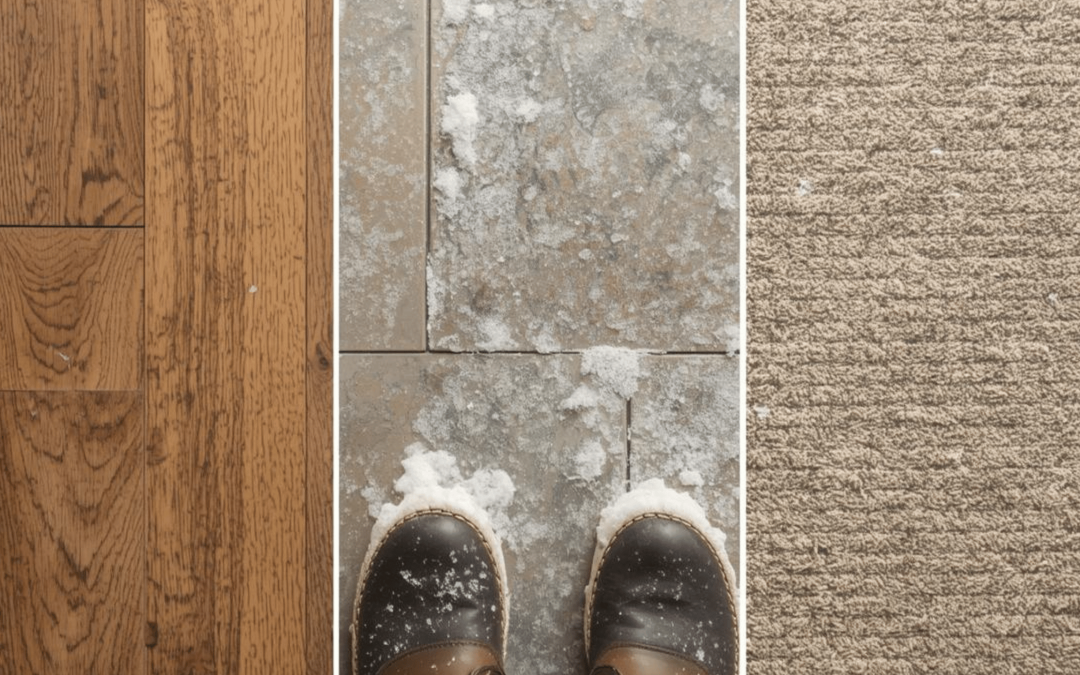
When homeowners choose flooring, aesthetics often top the list. Beautiful wood grains, trendy tile patterns, luxurious textures, these visual elements can transform a room. Yet for many regions, especially those that endure harsh winter conditions, how a floor performs in winter matters far more than how it looks. In cold climates, flooring must withstand moisture, temperature fluctuations, abrasion from snow‑soaked boots, grit from driveways, and humidity swings between heated indoor air and freezing outdoor air.
Winter is a stress test for flooring. What may look stunning in a showroom can struggle when faced with salt, slush, ice melt, and heavy traffic. Flooring failures in winter lead to costly repairs, reduced indoor comfort, and deterioration of materials. Prioritizing performance—durability, water resistance, stability, and maintenance ease—ensures your floors outlast the season and still look great year after year.
In this comprehensive guide, we explore why flooring performance trumps appearance in winter, what performance features matter most, how different flooring materials behave under winter conditions, practical maintenance strategies, and how to balance performance with style so you get both beauty and resilience.
Why Winter Is a Critical Factor in Flooring Selection
Winter challenges are unique and severe compared to other seasons. Flooring is not just a surface you walk on—during winter, it functions as the first line of defense against a host of environmental stresses:
1. Moisture Exposure
Snow, slush, and ice melt tracked in on shoes and pet paws introduce water and moisture consistently. Left unchecked, moisture can warp wood, lift tiles, stain porous materials, and encourage mold growth in susceptible flooring types.
2. Temperature Fluctuations
Indoor spaces heat up while outdoor surfaces remain below freezing. This temperature contrast can lead to expansion and contraction of flooring materials. Some materials cope well; others crack, shrink, or buckle.
3. Abrasive Grit and Salt
Gravel, sand, salt, and de‑icing chemicals accelerate wear on flooring surfaces. These abrasive agents scratch finishes, dull surfaces, and can erode protective coatings.
4. Heavy Foot Traffic
During winter, residents and guests often spend more time indoors, track in elements from outside, and demand comfort underfoot. The result is more frequent wear and tear than in other seasons.
These winter factors have direct consequences on flooring longevity, indoor air quality, and homeowner satisfaction. Flooring that excels in winter performance prevents costly repairs, reduces cleaning workload, and enhances year‑round comfort.
What “Performance” Really Means in Flooring
Performance is not a buzzword—it encompasses measurable attributes that determine how flooring responds to real‑world conditions. In winter, the most critical performance qualities include:
Durability
Durability refers to a floor’s ability to withstand physical wear, impact, and abrasion. A durable floor resists scratches, scuffs, and dents even under heavy winter traffic.
Moisture Resistance
Moisture resistance defines how well flooring repels water and resists damage from spills, slush, and humidity. Flooring varies widely in this trait, from fully waterproof options to those that require strict moisture control.
Dimensional Stability
This describes how well a flooring material maintains its shape under temperature and humidity changes. Poor stability leads to cupping, buckling, gapping, and splitting.
Slip Resistance
Safety is paramount in winter when surfaces get wet. Flooring with good slip resistance reduces the risk of falls and supports secure footing for family members and visitors.
Ease of Maintenance
Winter often means more cleaning. Flooring that is easy to maintain—requiring minimal effort to remove salt stains, mud, or grit—enhances lifestyle and reduces long‑term care costs.
When performance is prioritized, flooring continues to look and function well despite winter stressors. Appearance still matters, but it should never come at the expense of performance in climates where winter is a dominant season.
Common Flooring Materials and Winter Performance
Not all flooring responds equally to winter conditions. Understanding how popular materials perform helps you make an informed choice.
1. Hardwood Flooring
Appearance: Hardwood is prized for warmth, classic beauty, and natural variation.
Winter Performance:
• Challenges: Hardwood is sensitive to moisture and humidity swings. Wet shoes and slush can stain or warp wood. Temperature changes cause expansion and contraction.
• Performance Enhancers: Engineered hardwood with a stable core, proper sealing, and frequent use of area rugs at entryways improves performance. Maintain indoor humidity between 35–55% to reduce dimensional stress.
Best Use Areas: Living rooms and bedrooms with moderate traffic; avoid near main entrances unless protection measures are in place.
2. Luxury Vinyl Plank and Tile (LVP/LVT)
Appearance: Modern luxury vinyl mimics wood, stone, and tile with convincing realism.
Winter Performance:
• Strengths: Excellent moisture resistance and dimensional stability. Waterproof options tolerate slush and spills without damage.
• Slip Resistance: Many products offer textured surfaces that improve traction when wet.
• Maintenance: Easy to sweep and mop, simple stain removal.
Best Use Areas: Entryways, kitchens, basements, mudrooms, and high‑traffic zones.
3. Ceramic and Porcelain Tile
Appearance: Offers a wide range of styles, colors, and finishes.
Winter Performance:
• Water Resistance: Highly water resistant when grout is properly sealed.
• Durability: Scratch and stain resistant.
• Cold Feel: Tile can be chilly underfoot in winter—consider radiant heat if comfort is a priority.
• Slip Resistance: Choose textured tile rated for wet areas to prevent falls.
Best Use Areas: Bathrooms, kitchens, entryways, and hallways.
4. Laminate Flooring
Appearance: Mimics wood and stone at value‑oriented prices.
Winter Performance:
• Strengths: Scratch resistant with a protective wear layer.
• Challenges: Traditional laminate is vulnerable to moisture. Water can swell the core if exposed for prolonged periods.
• Improvement: Tight seams and waterproof options improve performance, but careful entryway protection is still recommended.
Best Use Areas: Living areas where moisture exposure is limited.
5. Carpet and Rugs
Appearance: Warmth, texture, and comfort underfoot.
Winter Performance:
• Comfort: Carpet adds insulation and comfort in cold months.
• Challenges: Traps moisture, salt, and dirt when placed near entryways. Can develop odors or mildew if damp.
• Solution: Use high‑performance entrance mats and washable area rugs to contain winter debris and protect underlying floors.
Best Use Areas: Bedrooms and living rooms away from primary entries.
Designing for Winter: Placement Matters
Choosing performance‑oriented flooring is only half the solution. Strategic placement amplifies performance.
Entryways and Mudrooms
These receive the most winter exposure. Flooring in these zones should be waterproof, abrasion‑resistant, and easy to clean. Options like luxury vinyl, porcelain tile, or stone are ideal. Add durable mats and boot trays to capture moisture immediately at the door.
Transition Zones
Hallways that connect the entry with living spaces benefit from tough, low‑maintenance surfaces. Gradations in flooring height or abrupt transitions can also hide seams and reduce moisture migration into sensitive areas.
Living and Social Spaces
In areas where comfort and visual appeal are important, you can blend performance with style. Engineered hardwood or luxury vinyl offer warmth and beauty with balanced resistance to winter conditions.
Bedrooms and Private Spaces
Carpet or softer flooring choices work well here since moisture exposure is lower. Use rugs to enhance comfort without compromising cleanliness.
Preventing Winter Damage: Practical Strategies
Performance flooring doesn’t eliminate the need for care. Proactive maintenance reduces stress on materials and extends life.
1. Use Entrance Mats and Rugs
Place quality mats outside and inside all exterior doors. These trap moisture, grit, and salt before it reaches your primary flooring. Wash or shake out mats regularly.
2. Encourage Shoe Removal
Family members and guests can minimize tracked‑in moisture by removing shoes upon entry. Provide a bench or designated shoe rack near entryways to make this convenient.
3. Clean Spills Promptly
Salt, ice melt, and water can stain or corrode certain flooring finishes. Wipe up spills quickly to maintain surface integrity.
4. Maintain Humidity Levels
Indoor heating dries the air in winter, leading to contraction in wood floors. Use humidifiers to maintain optimal humidity levels and protect engineered or solid wood.
5. Protect High‑Traffic Areas
Use runners or washable rugs in corridors and frequently used spaces to distribute wear evenly and shield floor surfaces from abrasion.
6. Inspect and Refresh Seals
For tile, stone, and wood, professional sealing helps repel moisture. Reapply sealants as recommended to preserve performance.
Balancing Performance With Aesthetics
Performance doesn’t mean sacrificing style. High‑performance flooring comes in a vast array of aesthetics:
Modern Textures and Finishes
Luxury vinyl and porcelain tile now mimic natural wood, stone, and concrete with remarkable realism, offering warmth and style without the vulnerabilities of traditional materials.
Designer Patterns and Colorways
Performance flooring offers expansive design options, from wide‑plank visuals to intricate tile patterns, enabling custom expression alongside durability.
Layered Rugs and Transitional Pieces
Use decorative rugs and runners to soften visual texture while protecting underlying performance flooring. This combines visual appeal with practical resilience.
Coordinated Trim and Moldings
Custom baseboards, thresholds, and transition strips enhance continuity and visual polish while protecting edges from winter stress.
Common Mistakes to Avoid
Even the best flooring can fail without proper planning and maintenance:
Choosing Solely for Aesthetics
A floor that looks incredible but lacks moisture resistance or durability will deteriorate quickly under winter conditions. Always verify performance ratings and manufacturer specifications.
Neglecting Entryway Protection
Flooring failure often begins at the entry. Forgoing quality mats or boot areas invites moisture and grit into the home, accelerating wear.
Installing Inappropriate Materials for the Space
Not all flooring types are suited for every area. Consulting with flooring professionals helps match materials to use cases, traffic levels, and environmental factors.
Ignoring Manufacturer Maintenance Guidelines
Each material has specific care instructions. Using the wrong cleaners or skipping recommended maintenance voids warranties and accelerates wear.
FAQs About Winter Flooring Performance
What flooring resists salt and moisture best in winter?
Waterproof materials like luxury vinyl plank, porcelain tile, and stone perform exceptionally well. Engineered materials with strong moisture resistance are also good when paired with careful entryway protection.
Is hardwood never a good choice for winter climates?
Hardwood can work in winter climates if engineered wood is chosen, seams are tight, and humidity is properly controlled. Solid hardwood near entryways requires added protection like mats and rugs.
Can I install carpet in winter?
Yes in living or bedroom areas where moisture exposure is low. Avoid carpet in entryways, mudrooms, or high‑traffic zones where slush and grit accumulate.
How often should I seal tile or stone floors?
Sealant recommendations vary by product, but generally every one to three years. High traffic and moisture exposure may require more frequent sealing.
Does flooring warranty cover winter damage?
Warranties vary. Most cover manufacturing defects but not damage from improper maintenance or environmental conditions. Performance installation and proper maintenance enhance warranty compliance.
Conclusion
In winter climates, flooring performance matters more than appearance because the season exposes every weakness in material, installation, and care. Beautiful floors are wonderful, but only when they endure real‑world challenges, resist moisture and abrasion, maintain stability under temperature swings, and support daily life without costly repairs.
Performance flooring — chosen with an understanding of winter stressors, installed professionally, and maintained proactively — allows you to enjoy both durability and design. When you balance performance with style, your floors not only look great but also stand up to winter’s toughest tests.
At Flooring By Design, we help homeowners select and install flooring that supports both aesthetic goals and real‑world performance. From waterproof options and abrasion‑resistant surfaces to moisture‑tolerant systems and elegant finishes, we guide you to solutions that endure winter and beyond.
Choosing the right flooring for winter isn’t about compromise, it’s about making choices that deliver beauty, comfort, and long‑lasting performance for every season.