
Introduction
Winter in Minnesota and across the Midwest isn’t just about snowflakes, fireplaces, and cozy nights—it’s also about icy mornings, drafty rooms, and floors that feel like stepping onto a sheet of ice. Cold flooring can make even the warmest home feel uninviting, and for families who spend a lot of time indoors during the winter months, it’s more than just an inconvenience—it’s a comfort and lifestyle issue.
The right flooring choices can transform your home from chilly and unwelcoming to warm, inviting, and practical. Beyond just aesthetics, flooring plays a huge role in temperature retention, energy efficiency, and day-to-day comfort.
In this guide, we’ll explore the best warm flooring options that keep your home cozier in winter, factors to consider when choosing, and how flooring installation decisions can impact your comfort and budget long-term. By the end, you’ll have a clear roadmap to making your home warmer and more comfortable before the cold season sets in.
Why Flooring Matters in Winter
Flooring is often overlooked when people think about staying warm during winter. We tend to focus on insulation, windows, and heating systems. But your floors account for up to 10% of heat loss in the average home, especially if they’re made of cold materials or poorly insulated.
Here’s why flooring plays a vital role in winter comfort:
- Temperature transfer: Floors made of tile, stone, or thin laminate can feel icy underfoot.
- Heat retention: Warm flooring materials help trap heat and make your home feel cozier.
- Energy savings: The warmer your floors, the less your heating system needs to work.
- Comfort and lifestyle: Pets, children, and even adults spend a surprising amount of time on the floor. Warmer floors mean greater comfort all around.
Key Features to Look for in Warm Flooring
When choosing flooring that works best for winter, look for:
- Thermal insulation: Flooring that naturally retains heat.
- Compatibility with radiant heating systems: Ideal for homes looking for long-term efficiency.
- Softness underfoot: Warmer flooring materials often feel more comfortable.
- Maintenance needs: Some flooring types are warmer but harder to clean.
- Durability: Flooring should stand up to both winter wear (salt, snow, mud) and long-term use.
Best Warm Flooring Options for Winter
1. Carpet
Carpet has long been a go-to for comfort in cold climates—and for good reason.
- Why it works: Carpet acts as a natural insulator. The fibers and padding beneath it trap heat, making it one of the warmest flooring choices available.
- Comfort factor: Soft, cushioned, and cozy—perfect for bedrooms, family rooms, and basements.
- Maintenance: Stain-resistant carpets and routine cleaning keep them looking fresh, even in winter.
- Pro tip: Choose wool or high-quality synthetic blends for added durability and natural warmth.
2. Cork Flooring
Cork is one of the most underrated flooring materials for winter warmth.
- Why it works: Naturally insulating due to millions of air pockets in its structure, cork stays warmer than hardwood or tile.
- Comfort factor: Soft underfoot, absorbs sound, and is eco-friendly.
- Maintenance: Requires sealing to protect against moisture, but very easy to maintain.
- Pro tip: Ideal for living rooms, offices, and bedrooms.
3. Luxury Vinyl Plank (LVP)
Vinyl has transformed dramatically in the last decade, becoming a popular choice for homeowners who want warmth and durability.
- Why it works: When paired with underlayment, LVP provides excellent insulation and retains heat better than tile or stone.
- Comfort factor: Softer and warmer than traditional laminate, while offering waterproof protection.
- Maintenance: Extremely easy to clean—great for homes with pets and kids.
- Pro tip: Opt for thicker planks with cushioned backing for maximum warmth.
4. Engineered Hardwood
Hardwood floors are classic, but they can be chilly in the winter. Engineered hardwood solves part of this issue.
- Why it works: More stable and insulating than traditional hardwood, especially when combined with area rugs or radiant heating.
- Comfort factor: Warmer than stone or tile, adds natural beauty and warmth.
- Maintenance: Regular care required to prevent scratches and moisture damage.
- Pro tip: Consider oak, walnut, or hickory with a matte finish for long-term performance.
5. Radiant-Heated Flooring (with Tile or Vinyl)
Radiant heating is one of the most luxurious ways to stay warm in winter.
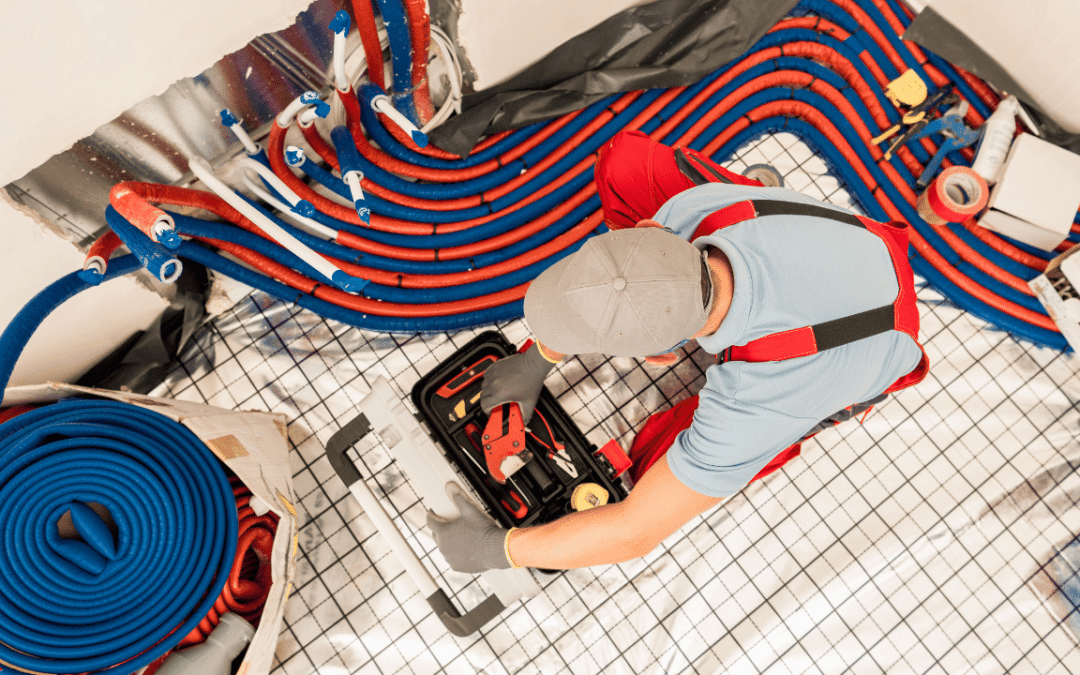
- Why it works: Radiant systems heat floors from underneath, warming the entire room evenly.
- Comfort factor: Perfect for bathrooms, kitchens, and basements where cold floors are most noticeable.
- Maintenance: Works with tile, vinyl, and even some engineered hardwoods.
- Pro tip: Though installation costs more upfront, radiant heating reduces long-term energy bills.
6. Laminate Flooring with Underlayment
Laminate itself isn’t the warmest, but when paired with the right underlayment, it becomes a budget-friendly, warm flooring option.
- Why it works: Underlayment adds insulation and reduces heat loss.
- Comfort factor: Feels warmer than tile and is available in countless designs.
- Maintenance: Easy to clean, but avoid low-quality laminate that can warp.
- Pro tip: Choose a water-resistant laminate for winter durability.
Flooring Options That Feel Cold in Winter
Not every flooring choice is ideal for cold climates. Materials to approach with caution:
- Stone or ceramic tile (without radiant heating): Durable but naturally cold.
- Concrete flooring: Industrial look but poor insulation.
- Thin laminate without underlayment: Can feel icy and less durable.
Balancing Warmth with Lifestyle Needs
While warmth is key in winter, don’t forget to consider your lifestyle:
- Families with pets may prefer vinyl or laminate for easier cleanup.
- Allergy-sensitive households may avoid carpet and choose cork or engineered wood instead.
- Busy households may prioritize durability and waterproofing over pure softness.
The best solution often blends warmth, durability, and design.
Maintenance Tips for Winter Floors
- Use entryway rugs and mats: Protects from snow, salt, and dirt.
- Clean regularly: Salt and debris can damage even the toughest flooring.
- Add area rugs: Not only stylish but also adds warmth in high-traffic areas.
- Check humidity levels: Prevents hardwood or engineered flooring from contracting in dry winter air.
FAQs About Warm Flooring
Q: What is the warmest flooring option overall?
Carpet provides the most natural warmth, but radiant heating under tile or vinyl creates the coziest solution.
Q: Are hardwood floors warm in winter?
They’re warmer than tile but not as warm as carpet, cork, or radiant-heated floors.
Q: Can I install radiant heating under any flooring?
Most radiant systems work with tile, vinyl, and engineered hardwood, but check manufacturer guidelines.
Q: What’s the most budget-friendly warm flooring?
Laminate with underlayment or luxury vinyl plank offers warmth without the high cost.
Conclusion
When it comes to surviving a Midwest winter, every detail matters—and your flooring plays a bigger role in comfort than you might think. Choosing the right warm flooring option not only makes your home more enjoyable but also helps reduce energy costs and creates a space where your family feels cozy all season long.
At Flooring By Design, we help homeowners choose flooring that balances warmth, durability, and style. From cozy carpets to radiant-heated vinyl and everything in between, we’ll guide you to the best flooring solutions for winter and beyond.
Ready to upgrade your home with flooring that keeps you warm this winter? Contact Flooring By Design today to explore options that combine beauty, comfort, and practicality.